
According to a report by FMI from earlier this year, the hot foil stamping market is estimated to grow from $2.69bn to $5.54bn in the next decade. There are a number of significant drivers for the growth. One of the most important is the ongoing task of tackling pharmaceutical counterfeiting. It’s a huge problem and can have massive consequences. Let’s have a closer look at it and possible solutions, including using foiling services.
Dangerous fakes
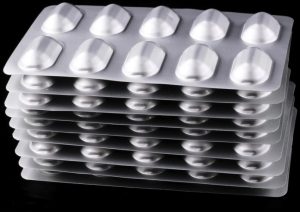 Counterfeiting is an incredibly dangerous, global problem. Whatever the product, from clothes to electronics, it puts consumers at risk. It’s even worse with counterfeit pharmaceuticals. Illegal fake medicines pose a serious risk to people, potentially containing harmful toxic ingredients. At the same time, they can be very poor quality and fail to treat illnesses.
The scale of the issue of fake medication is astonishing. The OECD did a report about it in 2020. Some of their findings were alarming. They attribute hundreds of thousands of deaths every year to fake medicines, such as anti-malaria drugs and antibiotics.
As well as the health risks, pharmaceutical counterfeiting is also damaging to economies and the reputations of businesses. Plus, it can harm the environment with facilities producing fake products also likely dumping toxic waste. It also has links to organised crime and other unlawful activities, including the production of illicit drugs.
How to tackle it?
Tackling counterfeit pharmaceuticals is a difficult task. Fakes can look so close to the real thing, featuring brand logos and colours, shapes, and other design elements. As a result, IP holders need to do more to prevent it. Foiling services, particularly hot foil stamping, can be really good for creating overt and covert markings, tamper-proof solutions, and more. They are very difficult to copy, making it easier to verify medicines are authentic at various levels.
IP enforcement is also really important. This includes key things like tracking manufacturers, disrupting supply chains, and taking legal action against counterfeiters. Border controls are necessary to prevent fake drugs from being imported and exported. National and international cooperation is vital here.
Improving awareness is another thing IP holders need to do. The goal should be to ensure all stakeholders, including patients and healthcare professionals, know how to identify fakes. This includes advising them of any special measures, such as foil seals and markings.
Choose outstanding foiling services
If you’re thinking about ways to prevent counterfeiting and make it easier to verify your products are legitimate, consider hot foil stamping. You can choose specialist foils with different features, ensuring marks are unique. It will create serious problems for counterfeiters.
We’d love to help if you want to look at various types of foil and applications for them. We’re one of the top specialists in the UK, focusing on foiling services and laminating. As a result, you can rely on us to give you professional advice and an exceptional service every time.
So, contact us today if you need anything.